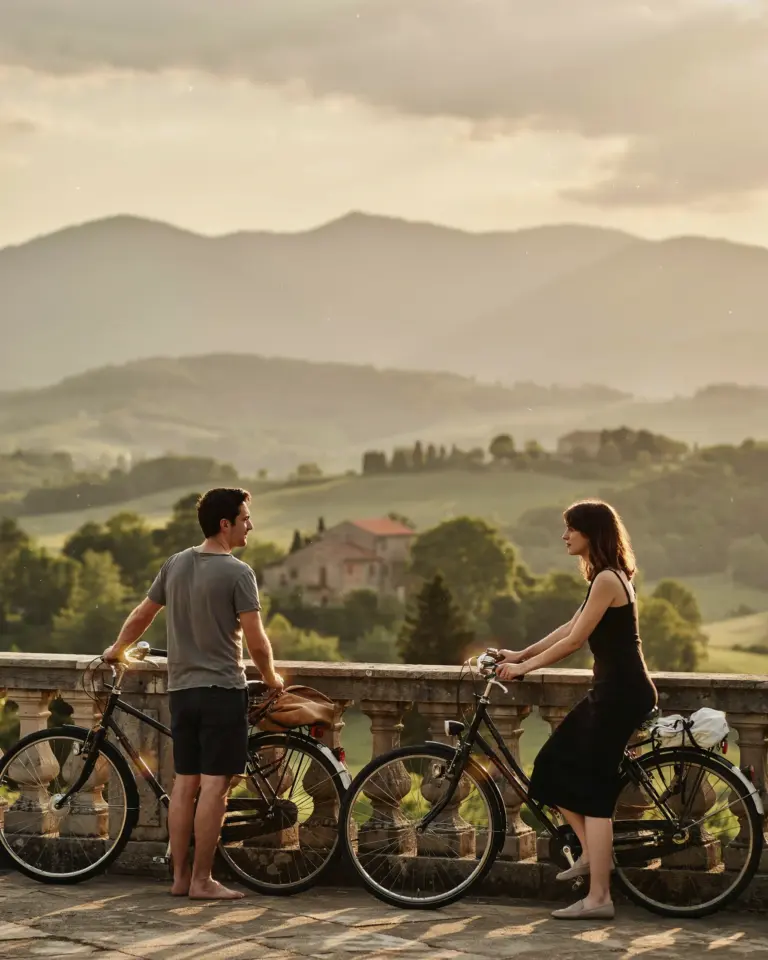
I still remember pulling my first roll of film out of the developing tank and seeing real images on that wet strip. It felt like a magic trick. If you are looking for some fresh film photography inspo, you are in the right place. Over the last few years I have tested dozens of analog projects, from double exposures to hand-rolling bulk film, and the ones that stuck are the ones that taught me something new. Below are seven creative analog projects that actually worked for me, whether you are a beginner or a seasoned darkroom fan. I have included practical tips that saved me time, money, and frustration.
Double Exposures on 35mm: Simple Tricks for Layered Images
Double exposures are the easiest way to make a single frame feel like a dream. I started by accident with a cheap Canon EOS that let me rewind and advance film manually. The trick is to shoot your first frame with a bright, simple subject (a silhouette or a wall of leaves) and then shoot the second frame with a texture like brick or water. Keep your backgrounds plain for the first exposure so the second one shows up clearly. Mark the film canister with a rubber band so you know exactly where the first pass ended.
For cameras without a dedicated multiple exposure lever, you can press the film rewind button while advancing the advance lever. It takes a few tries to line up the frames, but the off‑center overlaps often look better than perfect alignment. Overlap a face with a flower pattern and you will understand why double exposures never get old.
Developing Black and White Film at Home Without a Darkroom
You do not need a full darkroom to develop black and white film at home. I use a Paterson tank and a changing bag that cost me less than a nice dinner out. The chemicals are affordable: D‑76 developer, indicator stop bath, and rapid fixer. The whole process takes about thirty minutes from loading the reel to hanging the film to dry.
My one regret was buying a cheap thermometer that broke mid‑splash. Spend the extra five dollars on a sturdy lab thermometer. Temperature swings of even two degrees can change the contrast and grain. I always pre‑soak the film for two minutes at exactly 20°C (68°F) to keep everything consistent. Once you see your own negatives on a light table, you will wonder why you ever paid a lab.
Expired Film Rolls: What I Learned from Shooting 20 Year Old Portra
I found a box of expired Kodak Portra 160NC at a flea market for three dollars. The expiration date was 2003. I had heard that expired film can be unpredictable, so I rated it at ISO 50 to compensate for lost sensitivity. The results were muddy, with a greenish cast and heavy grain. Honestly, not my favorite look. But then I tried a roll of expired Fuji Superia 400 that had been stored in a closet (not a hot attic) and got surprising pastel colors that looked like a 1990s yearbook.
Here is what actually matters when you shoot expired film:
- Store film in a fridge or cooler until you shoot it. Heat kills color.
- Overexpose by one stop for every decade past expiration, then bracket your shots.
- Black and white film ages much more gracefully than color negative film.
- Expect weird colors, scratches, and base fog. That is the point.
I now keep a few expired rolls in my bag for low‑risk days when I want a surprise. The unpredictability keeps things fun.
Pushing and Pulling Film: When to Break the Rules
Pushing film means rating it at a higher ISO and developing longer. Pulling means the opposite. I first tried pushing Ilford HP5 to 1600 for a dim jazz club shoot. The grain was gritty but the contrast made the trumpet player pop. Pulling a roll of Tri‑X to 200 gave me soft, low‑contrast portraits on an overcast day that looked like they were printed on velvet.
The key rule is to tell your lab (or yourself) exactly what you did. If you push two stops, increase the development time by about 50 percent depending on the film. I write the push/pull value on the canister with a sharpie so I do not forget. Start with one stop of push or pull. Two stops can get messy if your lighting is off. Test with a cheap roll first.
Creating Cyanotypes with Old Film Negatives
Cyanotypes are a camera‑less process
#filmphotography #analogcamera #darkroom #photographyideas #filmisnotdead
Leave a Comment