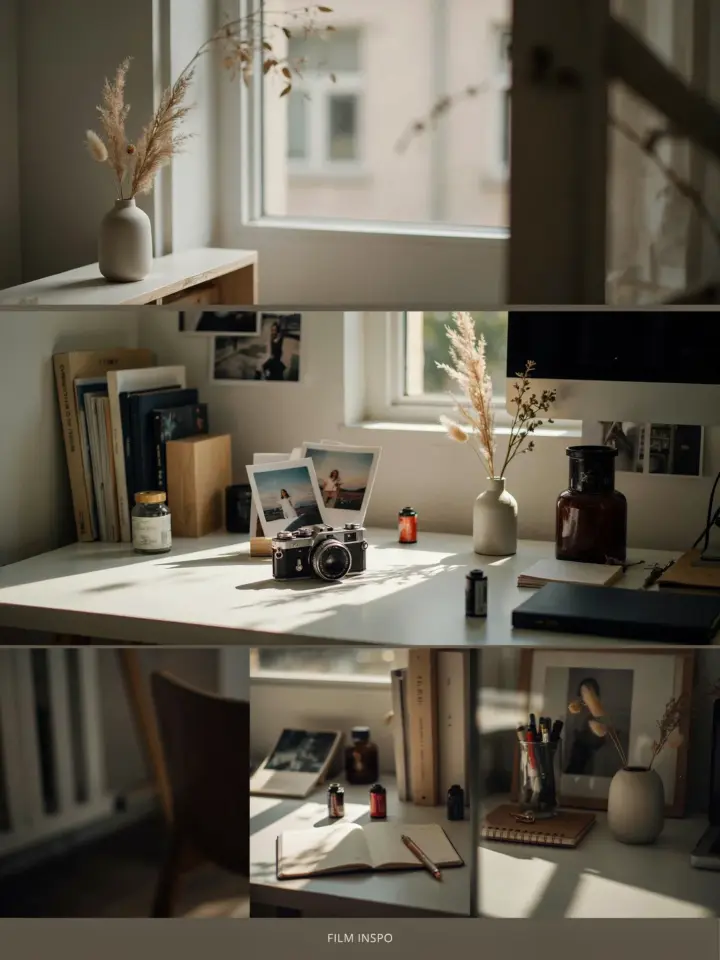
Every time I see someone pick up a film camera for the first time, they say the same thing: “I just want that dreamy aesthetic I see on Pinterest.” And honestly, I get it. Film photography inspo is everywhere. Moody landscapes, soft portraits with that buttery grain, a hint of light leak here and there. But here is the thing nobody tells you: chasing that look often leads to a pile of underexposed negatives and a lot of wasted rolls. I have been there. I have the receipts. So instead of another generic “10 tips for better film photos,” I want to walk you through the specific mistakes I see analog photographers make over and over. And more importantly, how to avoid them so you actually get the shots you are dreaming of.
Let’s get into it, one roll at a time.
The one mistake that makes your film shots look flat: poor metering
You have the perfect scene. Golden hour light hitting a brick wall. You nail the composition. You press the shutter. But when the scans come back, everything is a muddy gray mess. That is almost always a metering problem. Film photography is not like digital where you can fix exposure in post. You have to get it right in camera.
Most built-in light meters in older film cameras are center-weighted. That means if your subject is backlit or the scene has a lot of dark shadow areas, the meter will try to average everything out. Your highlights clip, your shadows turn into black soup.
The fix? Learn to meter for the shadows. If you are shooting negative film (Portra, HP5, etc.), you want to expose so that the darkest part of the scene that still has detail is properly captured. Overexpose by a stop or two if you are unsure. Film handles overexposure beautifully. It does not handle underexposure at all. So when you see that dreamy film photography inspo with creamy shadows, it was almost certainly shot with extra light hitting the negative.
Why you should stop shooting every roll at f/1.4
I love a shallow depth of field as much as the next person. But here is a mistake I see constantly: people buy a fast lens and never stop it down. Then they wonder why their portraits have one eye in focus and the other eye a blurry disaster. Film cameras do not have autofocus that tracks movement. And manual focusing at f/1.4 on a moving subject is basically gambling.
You are better off stopping down to f/2.8 or f/4 for most shots, especially if your subject is more than four feet away. You still get that soft background separation, but you also get a usable image. That dreamy aesthetic you are after? A lot of it comes from the film stock and the light, not from shooting wide open every time.
If you really want that ultra-shallow look, keep it for static scenes or close-up portraits where you can take your time. Otherwise, give yourself some depth of field. Your scan results will thank you.
Choosing the wrong film stock for the light conditions
This is the mistake that hurts the most because you cannot fix it after you load the roll. You are at the beach, bright midday sun, and you load a roll of Cinestill
#filmphotography #filmphotographyinspo #analogphotography #filmcamera #shootfilm
Leave a Comment